How to Set Up Dual Protocol Co-op With a Friend
Two players need two copies on two screens — same room or remote with a voice call. Pick Eva (field) and Miles (analyst), put on headphones, and never look at each other's screen: talking is the only way the case moves.
Dual Protocol is exactly a two-player game — not one, not four. And its idea of "co-op" is a little unusual: there is no lobby to join and nothing to invite each other into. You simply both play, and the connection between your screens is your voice. That surprises people, so here is the honest setup.
Pairs with: Story and Characters · Release Date, Price and Demo Status · Demo Walkthrough
What you actually need
- Two copies of the game, two computers. One player runs Eva, the other runs Miles; the instances are independent.
- One voice call if you are not in the same room — any voice chat works.
- Headphones for both players. The game says so up front, and it is right: audio carries clues, and an open mic echoing your partner's audio ruins the effect.
- A notepad for Miles. This is not a joke recommendation. In the demo, the desk player juggles codes, times and readings that Eva will ask for again later.
- About an hour for the demo start to finish once things click — longer if you refuse to take notes, which is traditional.
Choosing who plays Eva and who plays Miles
There is no wrong answer, but there are better fits:
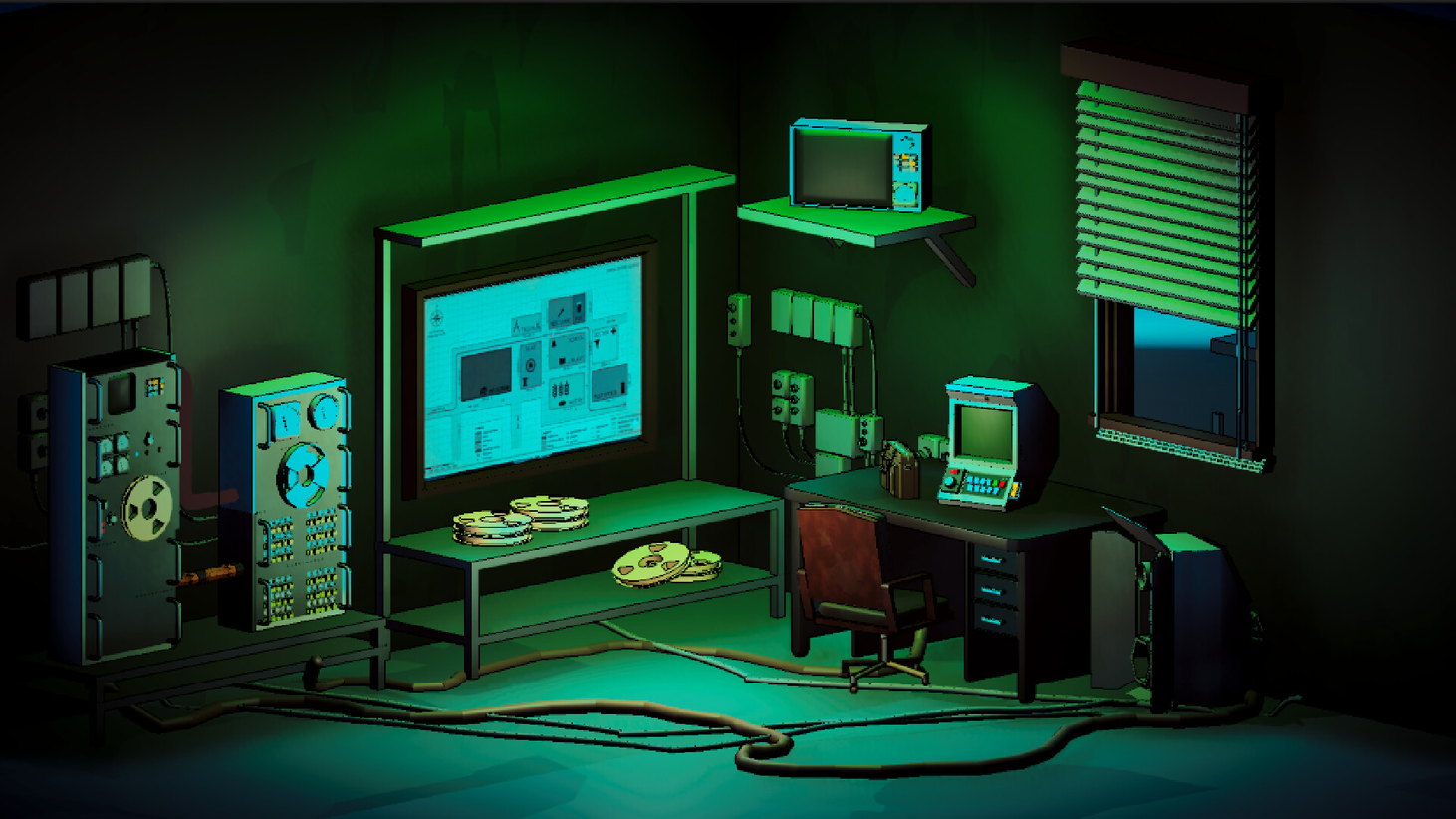
- The reader should take Miles. His side is walls of text, terminals and data that needs cross-checking.
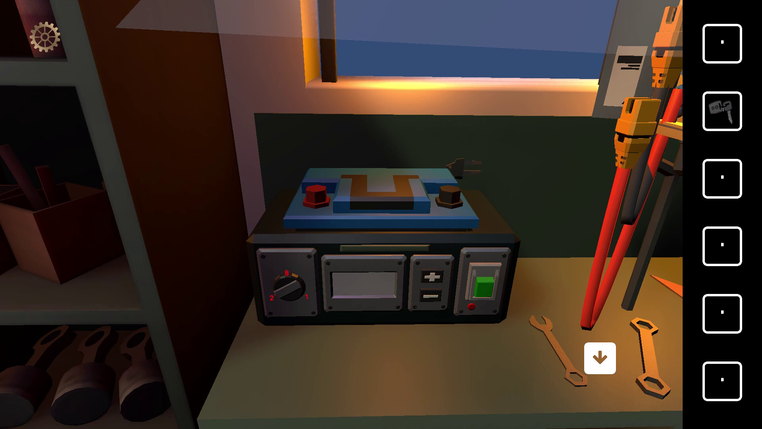
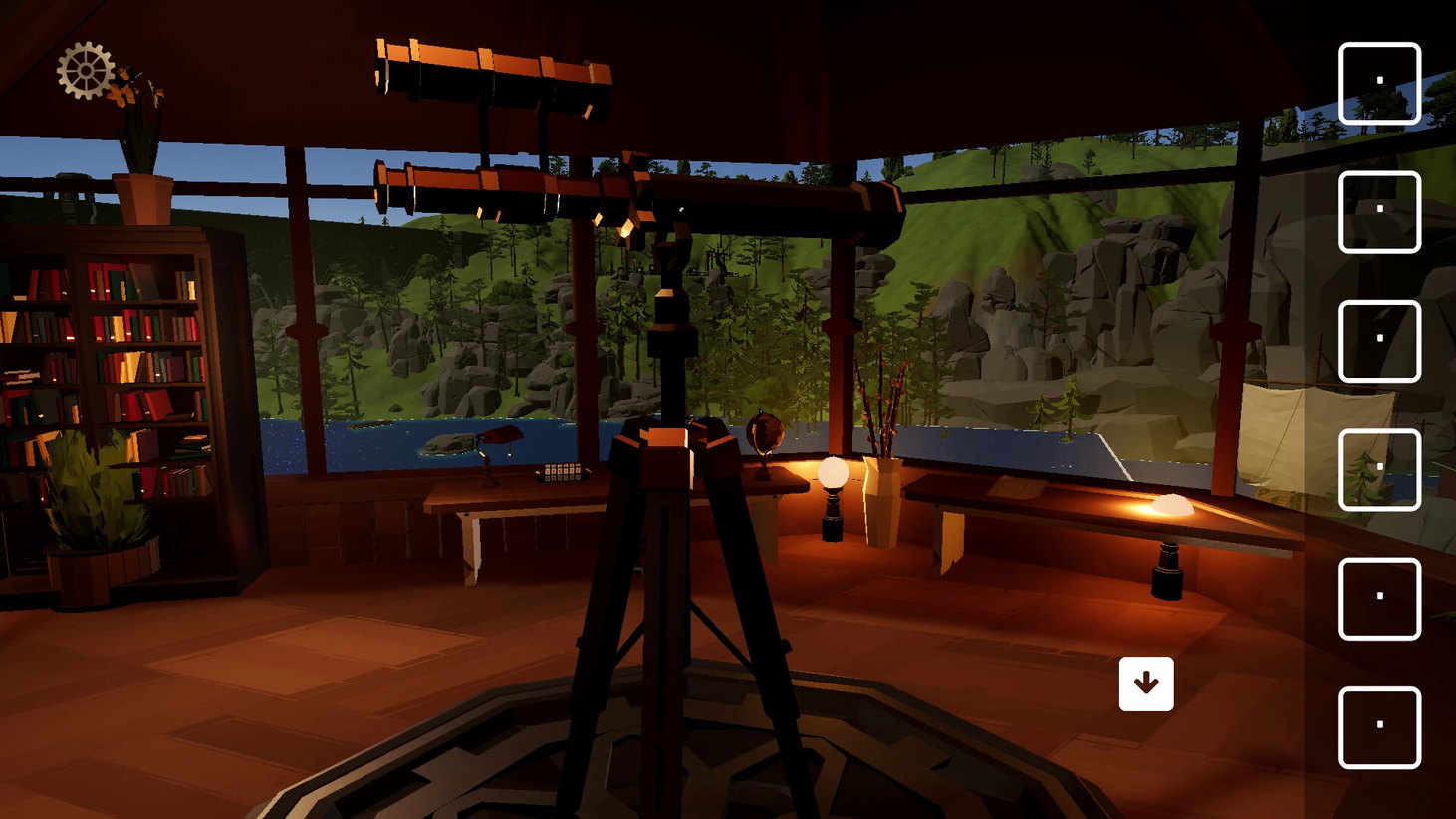
- The doer should take Eva. Her side is walking, opening, touching and driving — and then describing everything she sees with painful precision.
- Swapping mid-story is not a thing — a new session means starting a case over. Decide with a coin flip if you must; just decide before you start.
Same room or across the world
Both work, and both have exactly one rule.
Same room: two machines, ideally two desks facing away from each other. The temptation to glance at your partner's monitor spikes during the fourth minute of any code discussion. Do not. The game's entire drama lives in that blind spot.
Remote: voice call up, and do not screen-share the actual game window. Describing is the game; if your partner can just look at your screen, you have replaced the game with a Let's Play. Share your reactions, not your pixels.
House rules that keep it fun
- No peeking. Ever. This is the single rule that makes the game work.
- Describe first, interpret second. Partners can decode nothing from "the obvious thing"; they can decode a lot from "a brass dial, numbers around the edge, currently pointing at four".
- When stuck for ten minutes, dump an inventory. Reading your full item list aloud out of order — "tuning fork, cassette, a key with a tag" — solves more stalemates than any clever question.
- One person keeps the log. Codes, combos, times. The demo alone hands you half a dozen numbers that future puzzles want back.
- Blame the puzzle, not the person. The date puzzle melted entire forums. You will see it. Be kind in advance.
What co-op is not
There is no matchmaking, no solo mode, no AI partner, and no console versions announced. This is a game for two humans at two keyboards — which is precisely why it works. If your partner quits mid-case, the game's save-anytime design at least means the case waits for them. Ours did.
All guides6
Dual Protocol Beginner Guide: Eva, Miles and Your First Hour
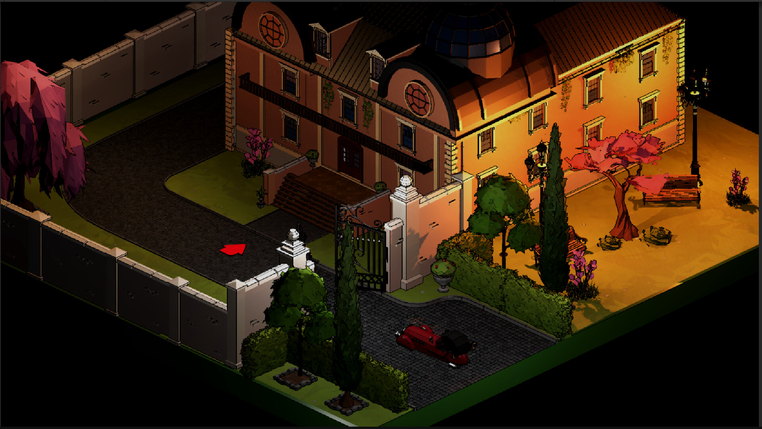
Dual Protocol walkthrough: release route and demo answers
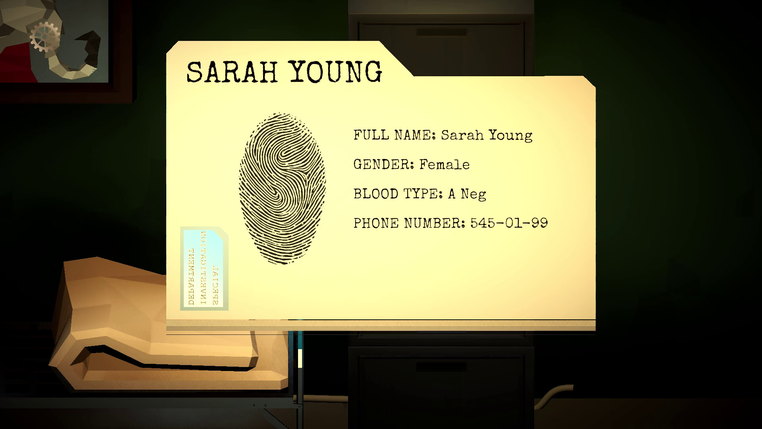
Dual Protocol Story and Characters: The Castellari Case
Dual Protocol Release Date, Price and Demo Status

Dual Protocol patch notes and known fixes